Hands-on education
Structured exercises could help learners connect concepts to experiments, compare results, and understand operational constraints. Learning objectives and instructor support would be part of the proposal.
Owned computing infrastructure
Five eight-GPU H100 servers, five eight-GPU A100 servers, and twenty eight-GPU A6000 servers give our mission a substantial practical foundation.
Discuss a compute collaboration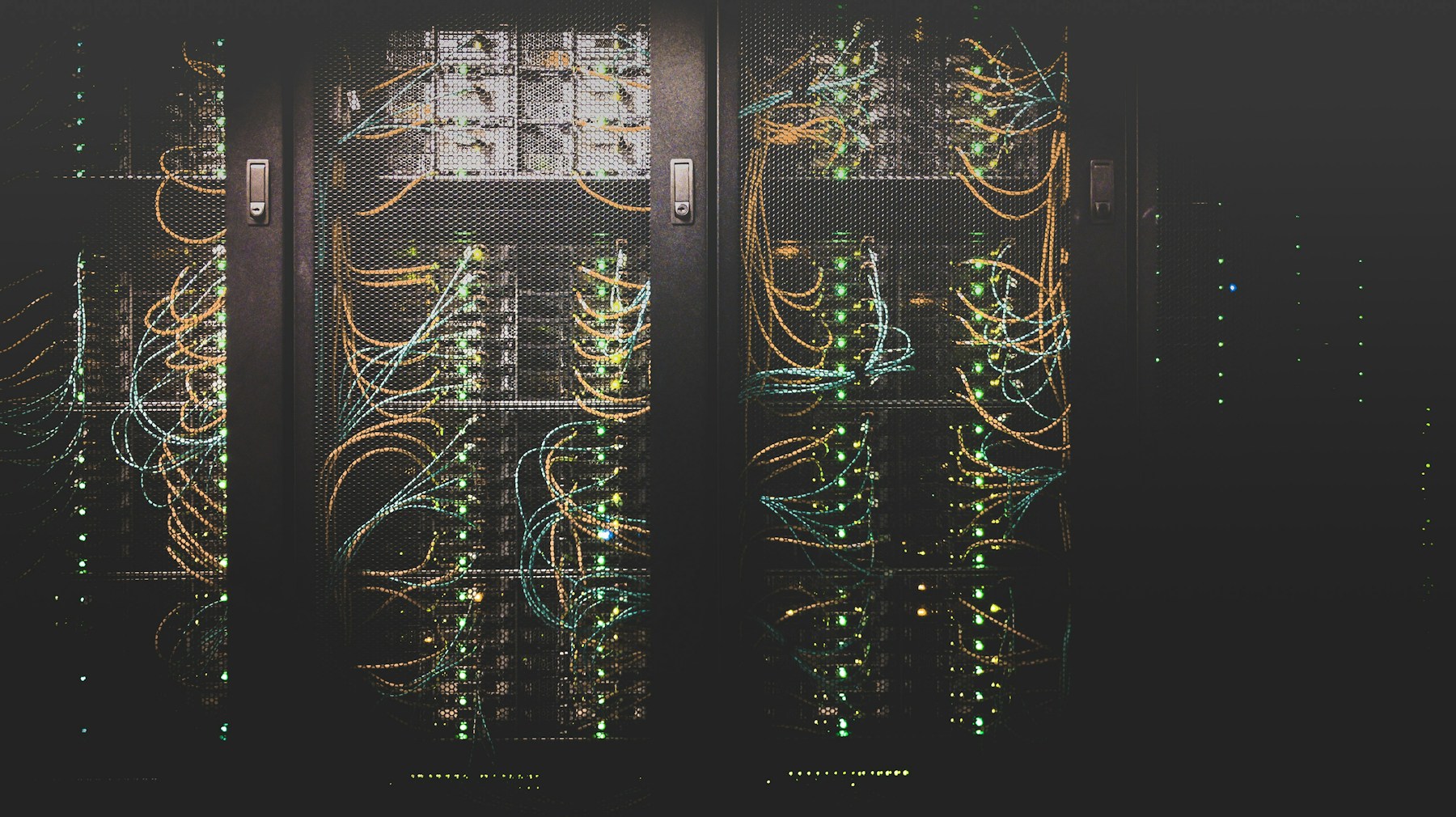
These figures describe our owned hardware fleet. They are not a public availability schedule or a promise of access.
| GPU model | Servers | GPUs per server | Total GPUs |
|---|---|---|---|
| NVIDIA H100 | 5 | 8 | 40 |
| NVIDIA A100 | 5 | 8 | 40 |
| NVIDIA A6000 | 20 | 8 | 160 |
| Total | 30 | 8 | 240 |
Owning infrastructure allows us to plan around real resources as we develop education, research collaboration, and competition programs. Effective use still depends on the particular workload, software environment, scheduling, and data requirements. GPU counts alone do not establish that a project will fit or how quickly it will run.
Access program in development: the collaboration and allocation process below is proposed. This website does not offer instant provisioning, guaranteed capacity, or a published service-level commitment.
We will assess project requirements before discussing a suitable configuration. Useful starting points include the model or software involved, whether a workload needs one GPU or several, expected duration, storage needs, and how results will be evaluated.
A learning exercise may benefit more from reliable access to a modest environment than from the largest available configuration. A research experiment may require careful compatibility checks or a short feasibility run. A competition workload may need comparable environments and clearly stated resource limits for participants.
We do not publish model-specific performance or memory claims here. Hardware configuration, workload suitability, and any access arrangements must be confirmed for the proposed project.

Structured exercises could help learners connect concepts to experiments, compare results, and understand operational constraints. Learning objectives and instructor support would be part of the proposal.
Collaborative projects could explore model behavior, evaluation methods, or practical AI workflows. A clear question and a reproducible method would help define a useful allocation.
Selected future programs could use shared resources for development or evaluation. Each competition would need explicit access rules, limits, and arrangements for fair participation.
Explain the educational, research, or competition objective, the people involved, and the result you hope to produce.
Describe the software, model, estimated resources, expected duration, storage requirements, and any dependencies you already know.
Describe the data category and relevant permissions without sending sensitive datasets. Identify who would manage access and oversee the work.
Our proposed allocation approach will consider mission relevance, feasibility, available capacity, and transparent usage expectations. Any approved collaboration would need agreed access controls, scheduling, permitted use, and completion arrangements. Submitting an inquiry does not reserve computing resources.
Give us a practical outline so we can discuss the requirements and whether collaboration may be suitable.
Send a compute inquiry →